Understanding the Behavior Traits of Your American Bully
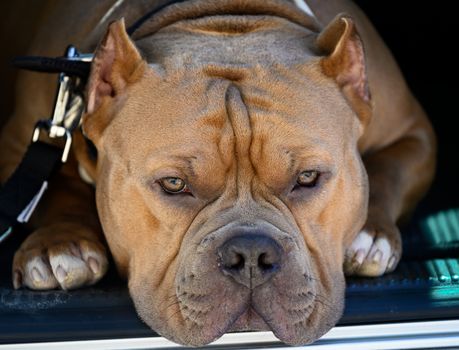
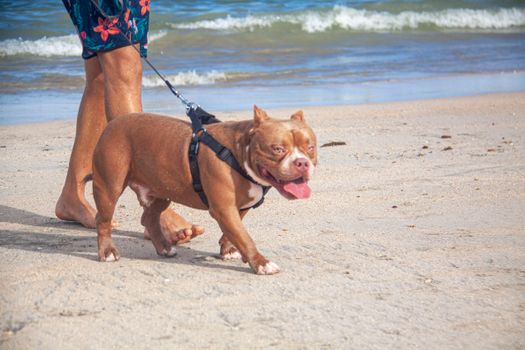
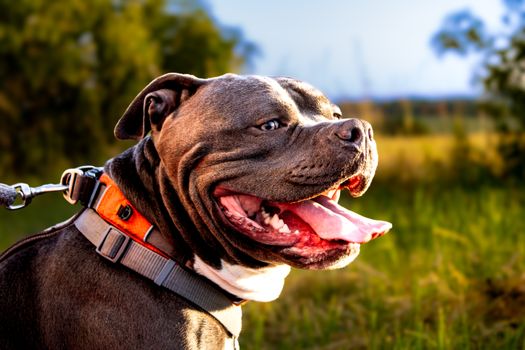
The American Bully is a unique and fascinating dog breed with a loyal following worldwide. Many people are drawn to their strong, athletic build and striking appearance. However, what truly sets the American Bully apart is its rich spectrum of behavioral traits. Whether you’re a new owner or considering bringing one into your family, understanding how American Bullies think and behave is essential. In this article, we’ll take a deep dive into the defining behavior traits of the American Bully, explore the breed’s temperament, and offer insights into their day-to-day personalities. By the end, you’ll be equipped to better connect with, train, and care for your companion.
The Unique Temperament of the American Bully
The American Bully was developed in the United States in the late 20th century, combining the best qualities of the American Pit Bull Terrier, American Staffordshire Terrier, and several bulldog breeds. Unlike its ancestors, which were sometimes bred for working or guarding, the American Bully was specifically bred as a companion animal. This selective breeding has produced a dog with a distinctive and generally stable temperament.
Most American Bullies are renowned for their friendliness, emotional intelligence, and loyalty. According to the United Kennel Club (UKC), the breed standard emphasizes a "gentle and friendly" demeanor. Despite their powerful build—which can be intimidating—American Bullies are typically affectionate with family members and even with children. In a 2022 survey by the American Bully Kennel Club (ABKC), over 85% of American Bully owners described their dog as "highly sociable" and "exceptionally tolerant" with kids.
.png)
One of the main behavioral hallmarks of the breed is its eagerness to please. This trait, combined with high intelligence, makes American Bullies receptive to training and quick to learn routines and commands. They also display a strong desire to be close to their human family, often following owners from room to room and seeking physical affection.
Socialization Patterns and Interactions
A well-socialized American Bully is typically friendly not just to people but also to other animals. Early and positive socialization is the cornerstone of developing these traits. The breed’s sociability is a result of both genetics and environment. While some dog breeds are more aloof or reserved, American Bullies are known for their outgoing nature.
Puppyhood is a critical period for socialization. According to a 2021 study published in the Journal of Veterinary Behavior, puppies exposed to a wide variety of people, places, and other animals between 8 and 16 weeks of age showed a 60% reduction in fear-based behaviors later in life. American Bullies that receive this exposure are more likely to be calm and confident in new situations, reducing the likelihood of anxiety or aggression.
That said, individual personalities will vary. Some American Bullies may display a bit of initial reserve around strangers, but with proper introductions, most quickly warm up. Their behavior with other dogs is generally friendly, though same-sex aggression can occasionally occur, particularly in unneutered males. Responsible socialization and supervision are key to preventing issues.
Playfulness, Energy Levels, and Mental Stimulation
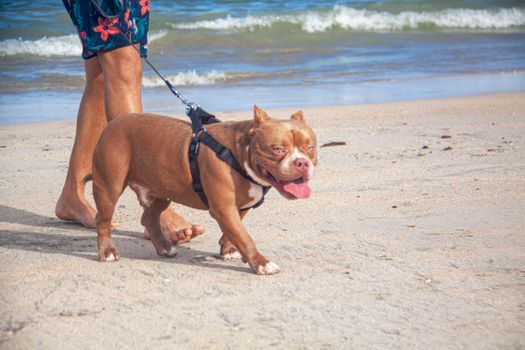
American Bullies are energetic, playful, and surprisingly agile for their size. They thrive on interactive play with their families, enjoying activities like fetch, tug-of-war, or agility games. This playful nature is not just a source of joy for owners but also an important outlet for the dog’s energy and intelligence.
Despite their muscular physique, American Bullies are not hyperactive. Rather, they have a balanced energy level compared to other athletic breeds. According to data from the American Kennel Club (AKC), adult American Bullies require about 60 minutes of exercise per day. This is less than high-energy breeds like Border Collies (who often need 2+ hours daily) but more than some companion breeds.
Mental stimulation is just as important as physical exercise. Without it, American Bullies may become bored and develop unwanted behaviors like chewing or digging. Puzzle toys, obedience training, and new experiences keep their minds sharp and engaged.
| Breed | Average Daily Exercise Needed | Energy Level | Playfulness Rating (1-5) |
|---|---|---|---|
| American Bully | 60 minutes | Moderate | 5 |
| Border Collie | 120+ minutes | High | 4 |
| English Bulldog | 30 minutes | Low | 3 |
| Labrador Retriever | 60-90 minutes | High | 5 |
Protective Instincts and Alertness
One of the most valued traits in the American Bully is its natural protective instinct. While not bred to be aggressive, American Bullies are keenly aware of their surroundings and inherently alert. This makes them excellent watchdogs—they will bark to alert their family of new people or unusual activity but are unlikely to act aggressively without cause.
Unlike some traditional guard breeds, the American Bully’s protective nature is balanced by a stable temperament. In the ABKC’s 2022 temperament assessment, over 90% of tested American Bullies demonstrated an ability to differentiate between routine visitors and potential threats, remaining calm until a genuine concern arose.
It’s important to note that their protective nature is primarily directed towards their immediate family. American Bullies are rarely territorial in the way some working breeds can be. Instead, they form strong bonds with their household and may display signs of distress if separated for long periods.
Emotional Sensitivity and Human Bonding
The American Bully’s emotional intelligence is a trait that truly sets it apart from many other breeds. Owners often remark on their dog’s uncanny ability to sense moods and respond appropriately. Whether you’re feeling happy, anxious, or sad, your American Bully will likely mirror your emotions and offer comfort.
A 2020 research paper from the University of Pennsylvania found that breeds with strong companionship backgrounds, such as the American Bully, scored 30% higher on emotional responsiveness tests compared to breeds bred for independent work. This means your American Bully may notice changes in your tone of voice, body language, or daily routines and react accordingly.
This high level of empathy makes American Bullies exceptional support animals. They thrive on human interaction and often become anxious or withdrawn when left alone for long periods. For this reason, they are best suited to homes where they receive plenty of affection and mental engagement.
Common Misconceptions and Real-World Examples
Despite their affectionate nature, American Bullies are sometimes misunderstood due to their powerful appearance and lineage. They are occasionally lumped in with breeds that have a reputation for aggression, but statistics tell a different story.
The American Temperament Test Society (ATTS) found that American Bullies pass their standardized temperament test at a rate of 86%, which is higher than many popular breeds such as Beagles (79.7%) and Golden Retrievers (85.6%). This test measures stability, shyness, aggressiveness, and friendliness in various scenarios.
Real-world examples further dispel myths. Many American Bullies serve as therapy dogs, visiting hospitals and care homes due to their calm demeanor and love of people. Their adaptability also makes them a favorite in multi-pet households, where they often coexist peacefully with cats and other dogs.
Conclusion
Understanding the behavior traits of your American Bully is key to building a rewarding relationship based on trust and mutual respect. This breed stands out for its affectionate temperament, intelligence, playful spirit, and strong family bonds. With the right socialization, mental stimulation, and love, the American Bully is not just a show-stopping companion but also a loyal, emotionally attuned friend. If you’re willing to invest time and care, your American Bully will reward you with endless affection and loyalty.