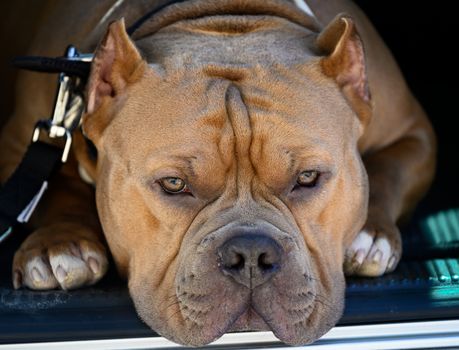
The American Bully is a breed that has captured the attention of dog lovers worldwide with its muscular physique, loyal temperament, and striking appearance. Yet, despite its growing popularity, the American Bully is often misunderstood, both in terms of its origins and its unique place among bully breeds. Whether you’re considering bringing an American Bully into your home or simply fascinated by canine genetics and breed development, taking a closer look at what truly defines this breed is both enlightening and necessary. In this comprehensive overview, we’ll decode the American Bully: its history, physical characteristics, temperament, health, and the controversies that surround it.
The Origins of the American Bully: More Than Meets the Eye
The American Bully may appear to be a recent phenomenon, but its roots trace back several decades. The breed was established in the United States during the 1980s and 1990s, primarily through the crossbreeding of the American Pit Bull Terrier and the American Staffordshire Terrier. Breeders aimed to create a companion dog with the muscular build and striking looks of these breeds but with a more family-friendly temperament.
Significantly, the American Bully was developed with four primary objectives:
.png) 1. Enhance the physical presence of the breed, emphasizing strength and athleticism.
2. Reduce the high prey drive and dog aggression often associated with its ancestors.
3. Increase loyalty and affection toward humans, making the breed suitable for families.
4. Diversify size and appearance, resulting in several distinct classes within the breed.
1. Enhance the physical presence of the breed, emphasizing strength and athleticism.
2. Reduce the high prey drive and dog aggression often associated with its ancestors.
3. Increase loyalty and affection toward humans, making the breed suitable for families.
4. Diversify size and appearance, resulting in several distinct classes within the breed.
The American Bully was officially recognized by the American Bully Kennel Club (ABKC) in 2004, and later by the United Kennel Club (UKC) in 2013. The breed’s rapid rise in popularity is evident: by 2022, the ABKC had registered over 500,000 American Bullies globally.
Physical Characteristics: A Breed of Distinction
Few dog breeds command attention like the American Bully. While all members share a muscular and athletic build, the breed is further divided into distinct classes based on size and stature. These classes include the Standard, Pocket, Classic, and XL varieties.
Here’s a quick comparison of the main American Bully classes:
| Class | Height (inches) | Weight (pounds) | Key Features |
|---|---|---|---|
| 13-17 | 30-60 | Compact, muscular, shorter legs | |
| Standard | 17-20 (male), 16-19 (female) | 60-90 | Balanced build, classic proportions |
| Classic | Same as Standard | Lower muscle mass | Lighter frame, less bulky |
| XL | 20-23 (male), 19-22 (female) | 80-150 | Larger, thicker, more imposing |
In addition to size, the American Bully’s defining features include a broad skull, pronounced cheek muscles, short and glossy coat, and a wide, deep chest. The breed comes in nearly every color and pattern, from solid black and blue to tri-color and merle. Despite their formidable appearance, American Bullies are often described as “gentle giants.”
Temperament: Separating Fact from Fiction
One of the most persistent myths surrounding the American Bully is that it is inherently aggressive or dangerous. In reality, the breed was specifically developed for its even-tempered, affectionate nature. According to the ABKC breed standard, the American Bully should be “gentle and friendly, never showing aggression toward humans.”
Key temperament traits of the American Bully include:
- Strong loyalty and attachment to family members - Eagerness to please and trainability - Playfulness and patience, especially with children - Tolerance toward other pets when properly socializedA 2021 survey by the American Temperament Test Society (ATTS) found that American Bullies had a passing rate of 86.4%, comparable to well-established family breeds like the Golden Retriever (85.6%). This data underlines the breed’s suitability as a companion animal, provided it receives early socialization and responsible handling.
It’s important to note, however, that individual temperament can vary, especially in poorly bred or inadequately socialized dogs. Responsible ownership remains essential to maintaining the breed’s reputation.
Health and Longevity: What to Expect from Your American Bully
American Bullies are generally robust, with an average lifespan of 10-13 years. However, like all purebred dogs, they are susceptible to certain health issues, many of which are related to their unique build.
Common health concerns in American Bullies include:
- Hip and elbow dysplasia: Due to their stocky build, joint problems are a notable risk. The Orthopedic Foundation for Animals reports that roughly 22% of American Bullies screened show some degree of hip dysplasia. - Brachycephalic airway syndrome: Dogs with shorter muzzles may experience breathing difficulties, especially in hot weather. - Skin issues: Allergies, mange, and skinfold dermatitis can occur, particularly in dogs with excessive wrinkling or sensitive skin. - Heart conditions: Some lines are prone to congenital heart defects, such as aortic stenosis.Proactive health screening and responsible breeding practices are crucial in reducing these risks. Reputable breeders test for hereditary diseases and prioritize the overall well-being of their dogs, not just appearance.
On the positive side, American Bullies are highly adaptable and low-maintenance in terms of grooming due to their short coat. Regular exercise, a balanced diet, and routine veterinary care are the pillars of a healthy American Bully life.
The American Bully in Society: Controversies and Misconceptions
The American Bully’s rise to prominence has not been without controversy. The breed's physical resemblance to the American Pit Bull Terrier and other “bully breeds” has resulted in its inclusion in breed-specific legislation (BSL) or outright bans in some regions. In the United Kingdom, for example, the American Bully XL was banned in 2023 following several high-profile dog attacks, despite evidence that irresponsible ownership, not breed, is the primary factor in such incidents.
The American Veterinary Medical Association (AVMA) has repeatedly found that breed alone is a poor predictor of aggression, and that education, socialization, and proper training are far more important predictors of canine behavior.
Another misconception is that American Bullies require extensive space or constant exercise due to their muscular build. In truth, they adapt well to a variety of living environments, including apartments, as long as their physical and mental needs are met. A daily walk, playtime, and companionship are usually sufficient for most American Bullies.
The breed’s popularity on social media, with hashtags like #AmericanBully reaching over 3 million posts on Instagram by 2024, has fueled both positive interest and negative stereotypes. Potential owners must separate fact from fiction and focus on responsible ownership, regardless of the breed’s reputation.
American Bully Classes: Understanding the Differences
Given the breed’s variety in size and build, prospective owners often wonder which American Bully class is right for them. Each class offers a slightly different experience in terms of size, energy level, and suitability for different lifestyles.
- Pocket Bullies are ideal for those seeking a compact, manageable companion with all the breed’s signature traits. - Standard and Classic Bullies offer a balance between presence and agility, fitting well into active families. - XL Bullies make a statement with their size and strength, but require experienced owners who can manage large dogs.Despite these differences, all classes share the core American Bully temperament: affectionate, loyal, and eager to be part of the family. It’s essential to meet breeders and interact with adult dogs before deciding which type aligns with your household’s needs.
Final Reflections: The Unique Role of the American Bully
Decoding the American Bully reveals a breed that is much more than its intimidating appearance suggests. Carefully crafted through decades of selective breeding, the American Bully stands as a testament to the power of responsible canine stewardship. Its blend of strength, loyalty, and gentleness makes it a standout among modern companion breeds.
Yet, the American Bully’s future depends on continued advocacy, education, and responsible breeding. By understanding what sets this breed apart—and dispelling myths along the way—owners, breeders, and enthusiasts can ensure that the American Bully’s story is one of success, not controversy.
Whether you are drawn to the breed for its looks, its temperament, or its vibrant community, entering the world of the American Bully is an invitation to appreciate one of the most distinctive and misunderstood breeds in the canine world today.