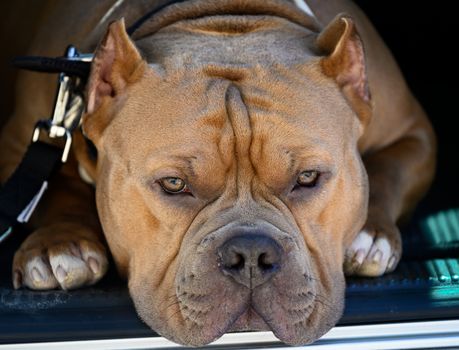
The Bully breed community is a vibrant, passionate, and often misunderstood group of dog lovers who have built an entire subculture around their shared admiration for a unique group of dogs. From American Bullies to English Bulldogs, Frenchies, and other bulldog-type breeds, the “Bully” world is much more than just a collection of pet owners—it’s a movement. But what exactly fuels this love for Bully breeds? Why do so many people dedicate their time, resources, and even their lifestyles to these dogs? Let’s take an in-depth look into the heart of the Bully community and uncover what makes this bond so enduring, and why the breed inspires such fierce loyalty.
The Roots of the Bully Breed Phenomenon
To understand the Bully community, it’s important to first appreciate the history and development of these breeds. The term “Bully” refers to a group of dog breeds descended from ancient Molosser dogs, originally bred for strength, stamina, and tenacity. Over centuries, these dogs were refined for various purposes, from working farm animals to loyal family companions.
The American Bully, for example, was first bred in the United States in the late 20th century by crossing breeds like the American Pit Bull Terrier, American Staffordshire Terrier, and various bulldogs. The goal was to create a companion dog with the physical presence of a pit bull, but with a gentler, more even temperament. The result was a dog that looks imposing but is often described as a “gentle giant.”
.png)
Today, the Bully breed category includes a variety of dogs such as:
- American Bully - English Bulldog - French Bulldog - American Bulldog - Olde English Bulldogge - Bull TerrierAccording to the American Kennel Club (AKC), the French Bulldog ranked as the most popular breed in the United States in 2023, marking the growing mainstream appeal of Bully breeds.
Passion, Identity, and Community: The Social Side of Bully Ownership
One of the defining characteristics of the Bully community is the sense of camaraderie among its members. The love for these breeds goes beyond simple pet ownership; it becomes a way of life and a strong part of personal identity.
Bully breed enthusiasts often connect through local and national clubs, social media groups, and organized events such as Bully breed shows, “Bully Meetups,” and charity walks. These events serve as more than just gatherings; they are opportunities to showcase dogs, share stories, and support rescue missions. In 2022 alone, the largest American Bully kennel club, the American Bully Kennel Club (ABKC), reported more than 200 official events worldwide, drawing thousands of participants and spectators.
For many, owning a Bully is an expression of pride. Owners celebrate their dogs’ physical beauty, unique personalities, and loving natures. The breed’s strength and confidence often mirror the resilience and loyalty found in their human counterparts, creating a powerful bond that’s celebrated both online and offline.
Dispelling Stereotypes: Advocacy and Education Efforts
Despite their growing popularity, Bully breeds continue to face negative stereotypes, primarily due to their ancestry and muscular appearance. Media portrayals and breed-specific legislation (BSL) have contributed to public misunderstandings, often painting these dogs as inherently dangerous.
The Bully community is at the forefront of advocacy efforts to counteract these misconceptions. Organizations and individuals work tirelessly to educate the public about Bully breeds’ true nature, emphasizing that behavior is determined by upbringing, training, and environment—not breed alone.
Here are some notable facts that challenge common myths:
- According to a 2021 study published in the journal “Science,” no single breed can be reliably linked to aggression; rather, factors like owner behavior and socialization play a larger role. - The American Temperament Test Society (ATTS) reports that the American Bully passes its standardized temperament test at a rate of 86.4%, which is higher than breeds like Golden Retrievers and Border Collies. - Over 70% of Bully breed dog bites involve unneutered males, unsupervised situations, or dogs that have not been properly socialized—issues that can affect any breed.The Bully community leverages education campaigns, social media, and public demonstrations to change perceptions. Rescue organizations often use success stories and positive imagery to showcase Bully breeds as loving, trainable, and exceptional family companions.
The Economic Impact: Breeding, Events, and Industry Growth
Another dimension of the Bully community’s influence is its economic footprint. The demand for Bully breeds has spurred growth in related industries, from responsible breeding operations to specialized pet care products.
According to IBISWorld, the pet industry in the U.S. surpassed $123 billion in 2023, with Bully breed-specific products and services representing a fast-growing segment. High-end breeders can command prices ranging from $2,000 to $10,000 for rare or show-quality puppies, especially those with unique colors or pedigrees.
Beyond breeding, Bully-focused events such as dog shows and expos attract significant attendance and sponsorships. These events often feature competitions, merchandise stalls, training seminars, and adoption drives. In 2023, the ABKC’s annual “Bully World Cup” in Houston, Texas, drew over 5,000 attendees and generated more than $1 million in local economic activity.
Here’s a comparative overview of the economic aspects within the Bully breed world:
| Aspect | Bully Breeds | General Dog Population |
|---|---|---|
| Average Puppy Price | $2,500 – $10,000 | $800 – $2,000 |
| Annual Event Attendance | 200,000+ (ABKC worldwide) | Varies, typically lower per event |
| Specialized Products | Custom collars, supplements, training gear | General pet supplies |
| Rescue Organization Funding | $5M+ (est. U.S. annual) | $30M+ (all breeds, U.S. annual) |
This economic vitality not only supports breeders and businesses but also funds rescue and advocacy work, driving further positive change.
Celebrating Diversity: The Many Faces of the Bully Breed
One of the most remarkable aspects of the Bully community is its inclusivity. The term “Bully” covers a broad spectrum of breeds, each with its own distinctive traits, histories, and fan followings. Whether someone is drawn to the stocky, wrinkled face of the English Bulldog or the athletic build of the American Bully, there is room for every preference.
Bully breeds come in various sizes, colors, and temperaments. For instance, the American Bully itself is recognized in four sizes—Pocket, Standard, Classic, and XL—each catering to different lifestyles. The French Bulldog, on the other hand, appeals to urban pet owners due to its compact size and adaptability to apartment living.
The Bully community takes pride in this diversity, often using social media platforms to showcase the unique personalities and talents of their dogs. Instagram hashtags like #bullylife and #bullycommunity have garnered millions of posts, highlighting everything from agility competitions to heartwarming rescue stories.
This celebration of diversity extends beyond the dogs themselves. The Bully world is notable for drawing people from all walks of life—young and old, urban and rural, families and singles. This melting pot of backgrounds contributes to the community’s strength and resilience.
Shared Values: Loyalty, Compassion, and Responsibility
At its core, the Bully community is united by a set of shared values that go far beyond aesthetics or status. Loyalty—to the dogs, to fellow owners, and to the mission of improving the breed’s reputation—is a central theme. Compassion is also deeply ingrained, with countless volunteer hours dedicated to rescuing, rehabilitating, and rehoming dogs in need.
Responsibility is another pillar. The majority of Bully owners advocate for ethical breeding practices, proper training, and responsible ownership. The community’s emphasis on health screenings, socialization, and obedience training helps foster well-adjusted dogs and responsible citizens.
For example, many Bully breed clubs require members to sign codes of ethics and participate in breed education workshops. This commitment to doing right by the dogs is part of what keeps the Bully community strong and respected.
Final Thoughts: The Enduring Appeal of the Bully Community
The love for Bully breeds is more than a passing trend—it’s a testament to the powerful connection between humans and animals. The Bully community’s passion, advocacy, and sense of belonging have not only helped transform public perceptions but have also made a significant impact on the lives of these remarkable dogs.
By fostering inclusivity, promoting education, and celebrating the unique qualities of Bully breeds, this community continues to thrive and grow. Whether you’re already a Bully enthusiast or simply curious about the breed, there’s no denying the deep well of love, pride, and dedication that makes the Bully community truly special.