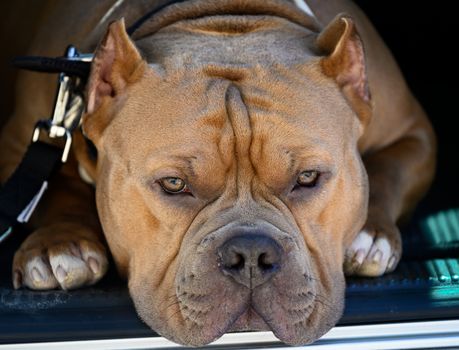
American Bullies are a striking and increasingly popular breed, but with their rise in popularity comes a surge of misconceptions. These muscular, affectionate dogs are often misunderstood due to their looks and association with other breeds. Misinformation can lead to unfair judgments, breed restrictions, and missed opportunities for loving companionship. This article dives deep into the most common myths about American Bullies, separating fact from fiction with real statistics, breed history, and expert insights. Whether you're a potential owner, a dog lover, or simply curious, gaining the truth about American Bullies helps foster better understanding and responsible ownership.
Origins and History: Unpacking the American Bully’s Background
One of the most persistent myths is that American Bullies are simply “pit bulls” or inherently aggressive fighting dogs. In reality, the American Bully is a distinct breed, carefully developed in the 1990s by combining American Pit Bull Terriers, American Staffordshire Terriers, Bulldogs, and other breeds.
Unlike the dogs used in illegal fighting rings, American Bullies were bred for companionship, stability, and temperament. The United Kennel Club (UKC) recognized the American Bully as a separate breed in 2013, emphasizing their friendly, outgoing nature.
.png) Key facts:
- The American Bully was recognized by the UKC in July 2013.
- Their breeding focused on reducing aggression and enhancing sociability.
- There are four main size varieties: Pocket, Standard, Classic, and XL.
Key facts:
- The American Bully was recognized by the UKC in July 2013.
- Their breeding focused on reducing aggression and enhancing sociability.
- There are four main size varieties: Pocket, Standard, Classic, and XL.
Understanding this background is crucial. While American Bullies share ancestry with breeds labeled as “pit bulls,” their purpose, appearance, and nature have evolved significantly.
Myth vs. Reality: Are American Bullies Dangerous?
The image of American Bullies as inherently dangerous or aggressive is widespread—but not supported by data. Aggression in dogs is more influenced by training, socialization, and environment than by breed alone.
A 2020 study published in the journal “Animals” reviewed bite statistics and found that breed-specific legislation (BSL) has not reduced dog bites in the U.S. In fact, the American Veterinary Medical Association (AVMA) states that no breed is inherently more dangerous than others; it’s the owner’s responsibility and the dog’s upbringing that matter most.
Statistics to consider: - In a 2018 study, less than 6% of recorded dog bites in the U.S. were attributed to any “bully-type” breed, including American Bullies, despite their high visibility. - The CDC does not track bites by breed, citing unreliable visual breed identification.The American Bully’s temperament is described as “gentle and loving” by the UKC, and they are known for being especially tolerant with children when properly trained and socialized.
Temperament Truths: Do American Bullies Make Good Family Pets?
Another common myth is that American Bullies are poor choices for families, especially those with young children. In reality, they are bred to be human-friendly and stable.
Key temperament traits: - Confident but not aggressive - Extremely loyal and affectionate with family - Patient and gentle, especially with childrenAccording to the American Bully Kennel Club (ABKC), these dogs score highly on temperament tests. For example, the American Temperament Test Society (ATTS) reports that bully breeds, including American Bullies, pass their standardized temperament test at rates above 85%. In comparison, the average pass rate for all breeds is around 83%.
Many owners describe their Bullies as “nanny dogs” due to their gentle demeanor with kids. However, any dog, regardless of breed, should be supervised around small children, and proper training is essential for a harmonious household.
Physical Appearance: Separating Looks from Behavior
The American Bully’s muscular build and blocky head often trigger assumptions about their temperament. People may confuse them with American Pit Bull Terriers or even larger Mastiff breeds, leading to misplaced fear and breed restrictions.
Let’s break down some physical facts: - Weight ranges from 30 to over 120 pounds, depending on variety (Pocket to XL). - Their appearance is meant to be impressive, but not intimidating. - The breed standard calls for a confident, friendly expression.Importantly, studies show that people tend to overestimate the aggression of blocky-headed, muscular breeds simply due to looks—a phenomenon called “canine profiling.” This has led to breed-specific legislation in over 700 U.S. cities, despite a lack of evidence that appearance predicts aggression.
Comparison Table: American Bully vs. Commonly Confused Breeds
| Breed | Recognized By | Average Weight | Main Purpose | Temperament |
|---|---|---|---|---|
| American Bully | UKC, ABKC | 30-120+ lbs | Companion | Gentle, Loyal, Confident |
| American Pit Bull Terrier | UKC, ADBA | 30-60 lbs | Performance, Companion | Energetic, Loyal, Intelligent |
| American Staffordshire Terrier | AKC | 40-70 lbs | Companion | Friendly, Courageous, Docile |
| English Bulldog | AKC | 40-50 lbs | Companion | Docile, Willful, Friendly |
This table highlights how American Bullies differ from other commonly confused breeds—not just in size and appearance, but in their intended roles and recognized standards.
Health Myths: Are American Bullies Prone to Diseases?
A persistent myth claims American Bullies are unhealthy or genetically weak due to their muscular build and breeding history. While some health concerns exist, as in any breed, responsible breeding has minimized many potential issues.
Common facts about American Bully health: - Average lifespan is 10-13 years, comparable to other large breeds. - Leading health concerns include hip dysplasia, skin allergies, and heart issues. - Reputable breeders screen for genetic diseases, reducing risk.According to a 2019 survey by Embark Veterinary, 74% of American Bullies show no known hereditary disorders. However, due to their stocky frame, owners should watch for joint issues and maintain healthy weight.
Routine veterinary care, a balanced diet, and regular exercise are the best ways to ensure a long, healthy life for your American Bully.
Training and Exercise: Debunking the “Unmanageable” Myth
There’s a notion that American Bullies are too strong or stubborn for the average owner. In fact, their intelligence and eagerness to please make them highly trainable.
Key training facts: - American Bullies respond well to positive reinforcement. - Early socialization is crucial for a well-adjusted dog. - They need 30-60 minutes of exercise daily, less than high-energy breeds like Border Collies.When compared with other athletic breeds, American Bullies are less demanding but still require mental and physical engagement. With consistent leadership and clear boundaries, they excel in obedience, agility, and even therapy work.
An American Bully that is bored or untrained may develop unwanted behaviors, but this is true of any intelligent breed. Structured routines and enrichment activities help prevent these issues.
Final Thoughts on the Truth Behind American Bully Myths
American Bullies are often judged by their looks and misunderstood due to persistent myths, but the facts tell a different story. Bred for companionship, these dogs combine strength with gentleness, loyalty, and trainability. Data shows that aggression is not inherent to the breed, and with responsible ownership, American Bullies make devoted, loving family pets.
Understanding the real origins, temperament, health, and needs of the American Bully helps dispel the myths that unfairly surround them. By focusing on facts and education, we can ensure that these remarkable dogs receive the care, respect, and opportunities they deserve.