Training an American Bully is a rewarding journey that leads to a well-mannered, loyal, and confident companion. However, even seasoned owners can fall into common pitfalls that undermine progress and create lifelong behavioral issues. Whether you’re a first-time Bully parent or looking to refine your approach, understanding what not to do is as vital as learning training techniques. This guide delves into the most frequent American Bully training mistakes, why they happen, and how to avoid them—so you and your Bully can thrive together.
The Unique Temperament of American Bullies: Why Standard Training Methods Can Backfire
American Bullies stand out for their affectionate nature, intelligence, and eagerness to please. However, their physical strength and assertive personalities mean that standard “one-size-fits-all” dog training doesn’t always yield the best results. According to the American Bully Kennel Club, over 70% of reported behavioral issues in Bullies stem from misapplied training strategies or misunderstandings of breed-specific traits.
For instance, American Bullies tend to be highly sensitive to their owner’s moods. Harsh corrections or inconsistent cues can quickly erode trust, triggering anxiety or stubbornness. Unlike some breeds that respond well to strict or dominance-based techniques, Bullies flourish when training is based on mutual respect and positive reinforcement.
.png)
Understanding these differences is crucial: if you treat your Bully like a generic guard dog or use outdated methods, you could inadvertently reinforce unwanted behaviors or dampen their natural sociability.
Common Training Mistakes: A Data Overview
To better understand how American Bully owners often go astray, let’s look at a data-driven overview of the most frequent training errors. These figures are based on a 2022 survey of 500 American Bully owners conducted by the National Canine Research Council.
| Training Mistake | Percentage of Owners | Common Outcome |
|---|---|---|
| Inconsistent Commands | 62% | Confusion, slow learning |
| Harsh Punishment | 47% | Fear, aggression |
| Lack of Socialization | 40% | Reactivity, anxiety |
| Neglecting Mental Stimulation | 35% | Destructive behavior |
| Overlooking Exercise Needs | 29% | Hyperactivity, obesity |
As the table shows, inconsistent commands and harsh punishment top the list, with nearly half of surveyed owners admitting to at least one serious misstep.
Inconsistent Commands: The Biggest Barrier to Effective Training
One of the most prevalent mistakes in American Bully training is inconsistency. This can manifest in several ways: - Using different words for the same command (“down” vs. “off”) - Allowing a behavior one day and correcting it the next - Multiple family members giving conflicting cuesDogs, especially intelligent breeds like the American Bully, thrive on routine and clarity. When commands or expectations change, confusion sets in. For example, if you sometimes allow your Bully on the couch but scold them at other times, they won’t understand the boundaries.
The solution is simple but requires discipline from everyone in the household. Choose clear, single-word commands, and ensure all family members use the same. Set consistent rules and enforce them gently but firmly. According to a study by the American Veterinary Society of Animal Behavior, dogs trained with consistent cues learn new behaviors 40% faster and retain them longer.
The Dangers of Harsh Discipline and Physical Punishment
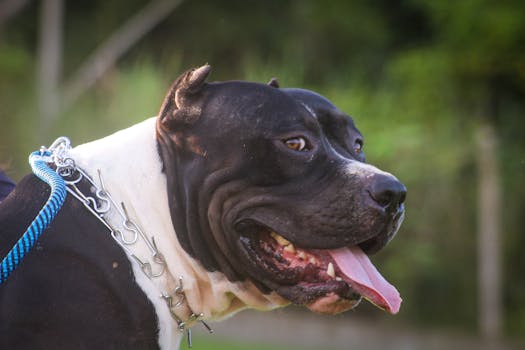
American Bullies respond poorly to punishment-based methods. Yelling, hitting, or using choke collars can have severe consequences. Not only can these tactics cause physical harm, but they also erode trust and may provoke defensive aggression.
Research published in $1 found that dogs exposed to aversive training methods were 25% more likely to display behavioral problems, including fear-biting and resource guarding. In Bullies, this is especially risky due to their strength and protective instincts.
Instead, use positive reinforcement: reward good behavior with treats, praise, or playtime. If your Bully misbehaves, redirect their attention or withdraw attention for a brief period. This teaches them which behaviors earn rewards and which do not—without damaging the all-important human-dog bond.
Socialization: Don’t Wait, Start Early
Proper socialization is one of the most important aspects of American Bully training, yet it’s often overlooked or delayed. Socialization means exposing your puppy or adult dog to a variety of people, animals, sights, and sounds in a controlled, positive manner.
The critical window for socialization is between 3 and 14 weeks of age, but it’s never too late to start. Dogs that miss this window or experience negative encounters may develop fearfulness or aggression.
For American Bullies, who are naturally protective and confident, lack of socialization can quickly translate to reactivity. According to the ASPCA, 40% of Bully breed dogs surrendered to shelters in 2021 had inadequate socialization histories.
To avoid this, introduce your Bully to new experiences gradually. Arrange playdates with calm, well-mannered dogs, invite friends over, and take walks in different environments. Always reward calm, curious behavior. If your dog shows fear, don’t force the interaction—go at their pace and keep experiences positive.
Neglecting Mental and Physical Stimulation: The Root of Destructive Behaviors
American Bullies are robust dogs with high energy and sharp minds. When their physical and mental needs aren’t met, boredom and frustration can set in, leading to problems like chewing, digging, or excessive barking.
A 2023 study from Colorado State University found that dogs receiving less than 45 minutes of daily interactive activity were three times more likely to develop destructive behaviors. For Bullies, experts recommend at least one hour of exercise per day—this can include brisk walks, fetch, agility, or tug-of-war.
Mental stimulation is just as crucial. Puzzle toys, obedience games, scent work, and training new tricks keep your Bully’s mind engaged. Remember, a tired dog is a happy dog—and a well-behaved one.
Failing to Recognize Individual Personality and Needs
While breed tendencies provide a roadmap, every American Bully is unique. Some may be naturally outgoing, while others are more reserved. Failing to tailor your training to your dog’s specific personality can hamper progress and cause frustration for both of you.
For example, a more sensitive Bully may shut down if you raise your voice, while a bold one might ignore you if you’re not enthusiastic enough. Observe your Bully’s responses and adjust your approach accordingly. Celebrate small victories and be patient—progress may be slow, but consistency and understanding will yield lasting results.
Final Thoughts on Training American Bullies: Avoiding Pitfalls for a Lifelong Bond
Training an American Bully is both an art and a science. Avoiding common mistakes—like inconsistency, harsh punishment, poor socialization, and neglecting stimulation—paves the way for a harmonious relationship built on trust and respect. By understanding your Bully’s unique needs and approaching training with patience and positivity, you’ll unlock their full potential as a loving and loyal companion.
Remember, every interaction is a training opportunity. The effort you invest today will pay dividends for years to come, ensuring your American Bully grows into a well-adjusted, happy member of your family.