Dog Care: Tailoring Your Approach for Bully Breeds
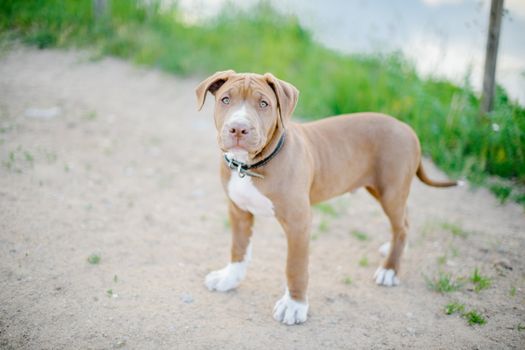
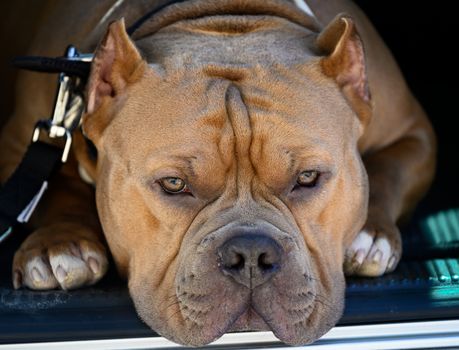
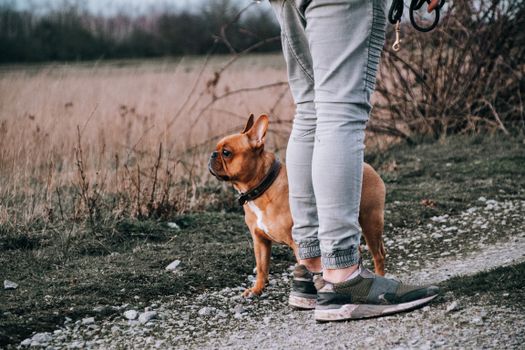
Bully breeds—such as American Bullies, Staffordshire Bull Terriers, American Pit Bull Terriers, and English Bulldogs—are renowned for their loyalty, strength, and affectionate nature. However, their unique physical and behavioral traits mean that caring for them requires a specialized approach. From nutrition to exercise, socialization to preventive health, understanding the specific needs of bully breeds is the foundation for a long, happy, and healthy life with your canine companion.
This comprehensive guide delves into the nuances of bully breed care, providing practical advice, essential facts, and actionable tips. Whether you're a seasoned owner or considering adding a bully breed to your family, this article will help you tailor your dog care routine to fit these remarkable dogs.
Understanding the Distinctive Needs of Bully Breeds
Bully breeds are a group of dog breeds descended from bulldog and terrier ancestors. They are often muscular, compact, and highly energetic, with a reputation for being both protective and affectionate. However, their history and genetics influence many aspects of their care:
.png) - $1 Bully breeds typically have dense musculature. This makes them more prone to joint issues like hip dysplasia. According to the Orthopedic Foundation for Animals, English Bulldogs have a hip dysplasia incidence rate exceeding 70%, making joint support a key focus.
- $1 Their short, smooth coats may appear low-maintenance, but bully breeds are susceptible to skin allergies and irritations. The American Kennel Club reports that up to 30% of Bulldogs will experience skin fold dermatitis in their lifetime.
- $1 Originally bred for working or sporting purposes, these dogs need structured outlets for their energy. Without proper stimulation, behavioral issues can arise, including chewing, barking, or digging.
- $1 Bully breeds typically have dense musculature. This makes them more prone to joint issues like hip dysplasia. According to the Orthopedic Foundation for Animals, English Bulldogs have a hip dysplasia incidence rate exceeding 70%, making joint support a key focus.
- $1 Their short, smooth coats may appear low-maintenance, but bully breeds are susceptible to skin allergies and irritations. The American Kennel Club reports that up to 30% of Bulldogs will experience skin fold dermatitis in their lifetime.
- $1 Originally bred for working or sporting purposes, these dogs need structured outlets for their energy. Without proper stimulation, behavioral issues can arise, including chewing, barking, or digging.
Understanding these characteristics is the first step toward providing the best possible care for your bully breed.
Nutrition Strategies for Bully Breeds: Building Strength and Preventing Problems
Nutrition is the foundation of health for every dog, but bully breeds require special attention to diet due to their unique body composition and health risks.
- $1 Their muscular physique benefits from high-quality protein sources. Look for dog foods with at least 25-30% protein content from animal sources like chicken, beef, or fish. - $1 Bully breeds are prone to obesity, which exacerbates joint and heart problems. The Association for Pet Obesity Prevention found that 56% of dogs in the U.S. are overweight or obese, with bully breeds at even higher risk due to their food-driven personalities. - $1 Glucosamine and chondroitin, often found in formulated dog foods, can help protect joints. Omega-3 fatty acids (from fish oil) also support joint and skin health. - $1 Common allergens for bully breeds include wheat, corn, and soy. Many owners report improvements in skin and digestive health when switching to grain-free or limited-ingredient diets.Feeding schedules also matter. Instead of free-feeding, offer two measured meals per day to prevent overeating and reduce the risk of bloat—a dangerous condition that some bully breeds are predisposed to.
Exercise and Enrichment: Meeting the Needs of Bully Breeds
Physical activity is crucial for the well-being of bully breeds, but not all exercise is created equal. Their combination of strength and energy must be met with structured, safe activities.
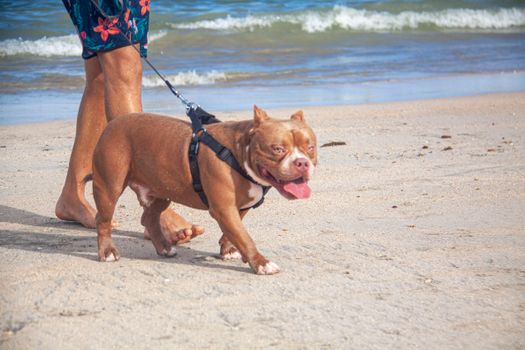
- $1 Most bully breeds need at least 60 minutes of exercise daily, which can be divided between walks, play sessions, and training. - $1 Due to joint concerns, avoid high-impact activities like repetitive jumping. Swimming is an excellent alternative, as it builds muscle without stressing the joints. - $1 Bully breeds are intelligent and thrive on mental challenges. Interactive toys, puzzle feeders, and obedience training sessions not only tire them out but also prevent boredom-related behaviors. - $1 Due to their short muzzles (brachycephalic features in breeds like Bulldogs), some bully breeds are prone to overheating. Avoid strenuous exercise during hot or humid weather, and always provide access to water and shade.Here's a comparison table of exercise needs and special considerations among popular bully breeds:
| Bully Breed | Daily Exercise | Special Considerations |
|---|---|---|
| American Bully | 60-90 minutes | Joint support; avoid intense jumping |
| Staffordshire Bull Terrier | 60 minutes | High energy; loves agility training |
| American Pit Bull Terrier | 90+ minutes | Needs mental & physical stimulation |
| English Bulldog | 30-45 minutes | Prone to overheating; low-impact only |
Preventive Health: Proactive Care for a Longer, Happier Life
Bully breeds are susceptible to several hereditary health issues. Proactive, preventive care can make a dramatic difference in their quality and length of life.
- $1 Annual or biannual wellness exams are essential. Early detection of conditions like hip dysplasia, heart disease, or skin infections leads to better outcomes. - $1 Stay up to date with core and non-core vaccines, and ensure year-round flea, tick, and heartworm prevention. Bully breeds with skin folds are more susceptible to parasite infestations. - $1 Dental disease is prevalent in bully breeds due to the shape of their jaws and teeth. Daily brushing and annual dental cleanings are recommended by the American Veterinary Dental Society. - $1 Keeping your dog at a healthy weight reduces the risk of joint, heart, and respiratory issues. Ask your veterinarian for your bully breed’s ideal weight range and check it regularly. - $1 While spaying or neutering is generally recommended for pet dogs, timing can impact joint health in bully breeds. Consult your veterinarian about the best age for your particular dog.According to a 2022 survey by the American Veterinary Medical Association, dogs that received regular preventive care lived an average of 2.1 years longer than those that did not.
Socialization and Training: Building Confidence in Bully Breeds
Socialization is a cornerstone of bully breed care, shaping them into well-adjusted family members and community ambassadors.
- $1 Begin exposing your bully breed puppy to different people, places, noises, and other animals as early as 8 weeks old. Positive early experiences reduce the risk of fear-based aggression later in life. - $1 Bully breeds are eager to please and respond well to positive reinforcement. Short, frequent training sessions with rewards build trust and obedience. - $1 Despite their loyal and loving nature, bully breeds can face breed-specific legislation (BSL) and public misconceptions. Training your dog to be calm and responsive in public helps counter stereotypes. - $1 Due to their strength, always supervise play with children or other animals. Teach both your dog and family members safe boundaries and handling. - $1 Programs like the AKC’s Canine Good Citizen test provide structured goals for training and can help demonstrate your dog’s great behavior to landlords or neighbors.According to the ASPCA, dogs that are properly socialized as puppies are 60% less likely to develop behavioral issues as adults.
Grooming and Skin Care: Keeping Bully Breeds Comfortable
While bully breeds often have short coats, their grooming needs are unique due to their skin and body type.
- $1 Bathe your bully breed every 4-6 weeks using a hypoallergenic, gentle shampoo. Over-bathing can dry out their skin, but infrequent baths can allow bacteria to build up in skin folds. - $1 Clean and dry skin folds (especially on the face and tail) daily to prevent infections. Products containing chlorhexidine can help fight bacteria but always follow your vet’s recommendations. - $1 Bully breeds’ nails can grow quickly. Trim every 2-3 weeks to prevent discomfort or injury. - $1 Their folded ears can trap dirt and moisture, increasing the risk of ear infections. Clean ears weekly with a vet-approved solution. - $1 Weekly brushing removes loose hair and distributes natural oils, keeping the coat healthy.A study published in the Journal of the American Animal Hospital Association found that regular at-home grooming reduced the risk of skin infections by 28% in breeds with skin folds.
Final Thoughts on Tailoring Dog Care for Bully Breeds
Bully breeds are extraordinary companions, but their care goes beyond the basics. By tailoring your approach to their unique physical, behavioral, and health needs, you can nurture a dog that is healthy, confident, and happy. From high-protein diets to structured exercise, preventive health routines to consistent socialization, every aspect of care contributes to a bully breed’s well-being.
Remember, every dog is an individual. Pay attention to your dog’s specific needs, consult your veterinarian regularly, and enjoy the strong bond that comes from providing thoughtful, specialized care. With commitment and understanding, bully breeds will reward you with loyalty, affection, and years of joyful companionship.