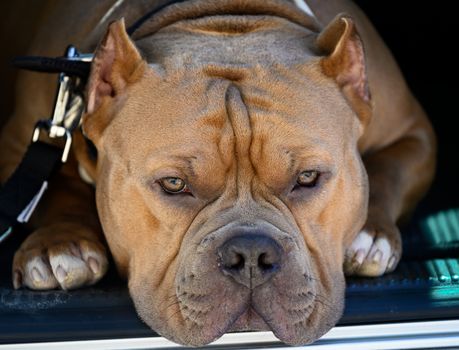
Welcoming an American Bully into your home is an exciting adventure, especially for first-time owners. This unique breed, known for its muscular build, loyal nature, and infectious enthusiasm, can quickly become a cherished family member. But like any new responsibility, owning an American Bully comes with a learning curve. Whether you’re attracted to their affectionate demeanor or their impressive appearance, understanding the breed’s distinct needs is key to a harmonious and happy household. In this guide, we’ll move beyond the basics to tackle practical, often-overlooked pet tips specifically tailored for first-time American Bully owners. From home preparation to socialization strategies and breed-specific enrichment, you’ll find actionable insights to help you and your Bully thrive together.
Preparing Your Home for an American Bully
Before bringing your new companion home, it’s essential to consider both safety and comfort. American Bullies are known for their strength and curiosity, so a little preemptive planning can prevent common mishaps and set the stage for a smooth transition.
Start by surveying your living space for potential hazards. These dogs are powerful chewers, so secure electrical cords, remove small objects within reach, and invest in durable, non-toxic toys. Gates can be useful to temporarily restrict access to certain rooms, especially during the first few weeks.
.png)
Flooring is another consideration. American Bullies can weigh anywhere from 30 to 150 pounds, depending on the type and genetics. Slick floors like polished tile or hardwood may cause slipping, leading to joint injuries—especially in puppies with developing bones. Placing non-slip mats or rugs in frequently used areas can provide better traction.
Create a dedicated “safe space” for your dog. This could be a sturdy crate or a cozy bed in a quiet corner. Not only does this help with housetraining, but it also gives your Bully a place to retreat when overwhelmed. According to a 2022 survey by the American Pet Products Association, 67% of dog owners found that providing a designated resting area reduced stress-related behaviors during the first month.
Lastly, consider the size and height of your fencing. American Bullies aren’t natural escape artists, but their muscular build makes them capable jumpers if motivated. A fence at least 5 feet tall is recommended for backyards.
Understanding American Bully Behavior: What to Expect
American Bullies are renowned for their loyal, affectionate, and often clownish personalities. However, first-time owners may be surprised by certain breed-specific behaviors that can be misinterpreted if not understood.
For one, American Bullies are “people dogs.” They crave attention and thrive on positive interaction. Loneliness can lead to destructive behavior, such as chewing furniture or excessive barking. If you work long hours, consider hiring a dog walker or arranging for occasional doggy daycare.
Socialization is critical in the first six months. While Bullies are generally friendly, they can be wary of unfamiliar people or animals if not properly introduced. Organize controlled playdates and expose your dog to a variety of sights, sounds, and environments. The American Veterinary Society of Animal Behavior reports that puppies exposed to at least 100 different people, sights, and experiences in the first three months are 80% less likely to develop fear-based aggression.
Training takes patience. These dogs are intelligent and eager to please, but their stubborn streak means consistency is vital. Use reward-based methods—studies show positive reinforcement leads to faster learning and stronger bonds in bully breeds.
Lastly, be prepared for bursts of energy. While they enjoy lounging around, American Bullies need daily exercise to prevent restlessness. A mix of walks, playtime, and structured activities will keep them content.
Nutrition and Feeding Tips for Optimal Health
Diet plays a central role in the health and happiness of your American Bully. Their muscular physique requires a balanced diet rich in protein, healthy fats, and essential nutrients.
Puppy and adult feeding guidelines differ. Puppies (up to 12 months) need more calories relative to their size to support rapid growth. The Association of American Feed Control Officials (AAFCO) recommends at least 22% protein for growing puppies, while adults do well with 18% protein.
Portion control is essential. Overfeeding can quickly lead to obesity, which increases the risk of joint issues and heart disease. According to the Pet Obesity Prevention Association, 54% of American dogs are overweight or obese, and bully breeds are particularly susceptible due to their hearty appetites.
Choosing between kibble, wet food, or raw diets is a common dilemma. Here’s a comparative overview to help you decide:
| Diet Type | Pros | Cons | Monthly Cost Estimate |
|---|---|---|---|
| Kibble (Dry Food) | Convenient, affordable, shelf-stable | Can contain fillers, less palatable for picky eaters | $40-$70 |
| Wet Food | High moisture, tasty, easy to digest | More expensive, shorter shelf life | $80-$150 |
| Raw Diet | Natural, nutrient-rich, customizable | Requires prep, risk of bacteria, costly | $120-$250 |
Always consult your veterinarian before making significant changes to your Bully’s diet, especially if you’re considering a raw or homemade plan.
Exercise and Mental Stimulation: Meeting the Bully’s Needs
It’s a common misconception that American Bullies are low-energy couch potatoes. While they do enjoy relaxing with their families, they require regular physical and mental activity to stay healthy and content.
Aim for at least 30 to 60 minutes of moderate exercise daily. This can include brisk walks, agility training, or a game of fetch in a secure area. For puppies, shorter, more frequent sessions are best to protect developing joints.
Mental stimulation is equally important. These intelligent dogs benefit from puzzle toys, scent games, and obedience training. Studies have shown that mentally engaged dogs are 60% less likely to develop behavior problems.
Enrichment activities you can try include: - Hide-and-seek with treats - Rotating toys to maintain interest - Basic command training with positive reinforcement - Teach new tricks or introduce obstacle coursesRemember, overexertion can be harmful, especially in hot weather. Due to their short muzzles, American Bullies are prone to overheating. Provide water breaks and avoid intense activity during peak temperatures. In a 2019 study, 22% of bully breed owners reported signs of heat stress after just 20 minutes of vigorous play on warm days.
Grooming and Hygiene: Keeping Your Bully Looking and Feeling Great
American Bullies have short, glossy coats that are relatively easy to care for, but don’t let their low-maintenance look fool you—regular grooming is still essential for skin health and cleanliness.
Brush your Bully once or twice a week to remove loose hair and distribute natural oils. This helps minimize shedding and keeps the coat shiny. Bathing should be done only as needed (usually every 2-3 months) unless your dog gets particularly dirty.
Check ears weekly for signs of redness, odor, or wax buildup. Their floppy ears can trap moisture, leading to infections if not kept clean. Use a gentle, vet-approved ear cleaner.
Dental hygiene is crucial. According to the American Veterinary Dental Society, 80% of dogs show signs of dental disease by age three. Brush your dog’s teeth several times a week and offer dental chews or toys.
Lastly, trim nails every 3-4 weeks. Long nails can cause discomfort and affect your dog’s gait. If you’re unsure about grooming tasks, many professional groomers offer bully breed packages for $40-$60 per session.
Building a Strong Bond: Communication and Trust
One of the most rewarding aspects of owning an American Bully is the depth of the bond you can form. These dogs are highly attuned to their owners’ emotions and thrive on consistent, positive communication.
Pay attention to your Bully’s body language. Relaxed ears, wagging tails, and soft eyes signal happiness and trust, while stiff posture or avoidance may indicate anxiety. Responding appropriately builds confidence and trust.
Engage in daily one-on-one time through play, gentle petting, or training sessions. Studies show that dogs who receive at least 15 minutes of focused attention daily exhibit fewer behavioral problems and display stronger attachment to their families.
Avoid harsh corrections. Instead, redirect unwanted behavior and reward desirable actions. Building trust takes time, but the payoff is a loyal, loving companion who looks to you for guidance.
Final Thoughts on Mastering American Bully Ownership
Becoming a first-time American Bully owner is both a responsibility and a privilege. These remarkable dogs offer unwavering loyalty, playful energy, and the potential for deep connection. By preparing your home, understanding breed-specific behaviors, prioritizing nutrition and health, and investing in training and enrichment, you lay the groundwork for a happy, well-adjusted pet. Remember, the learning process is ongoing—for both you and your Bully. Embrace the journey, seek support from experienced owners or trainers, and enjoy the many rewards this incredible breed brings to your life.