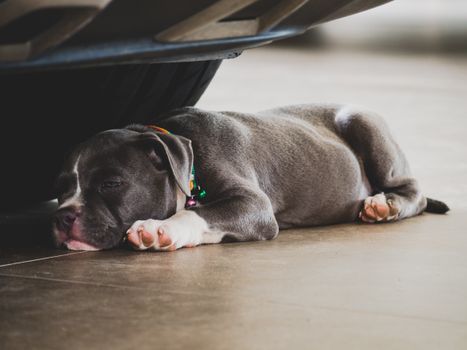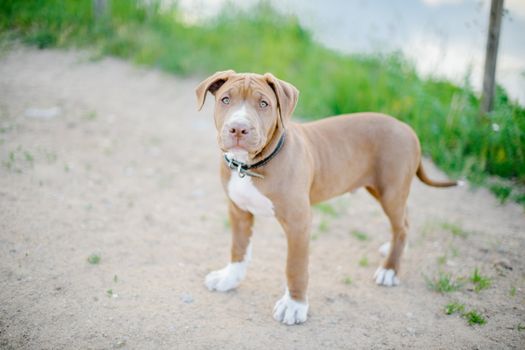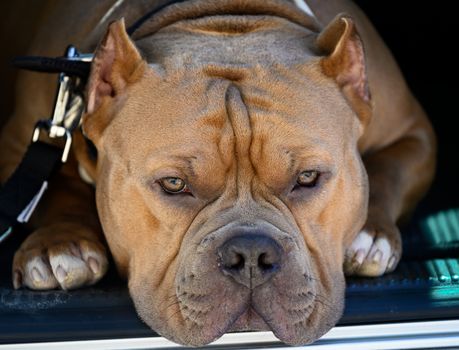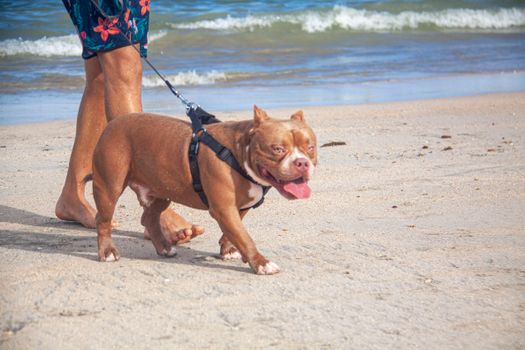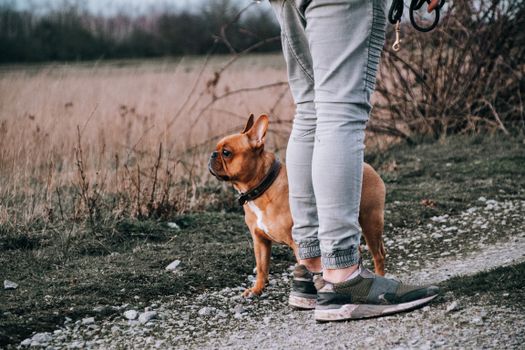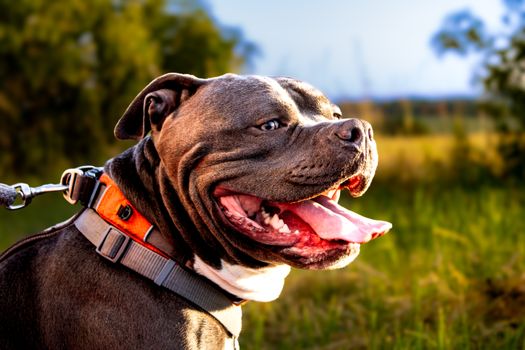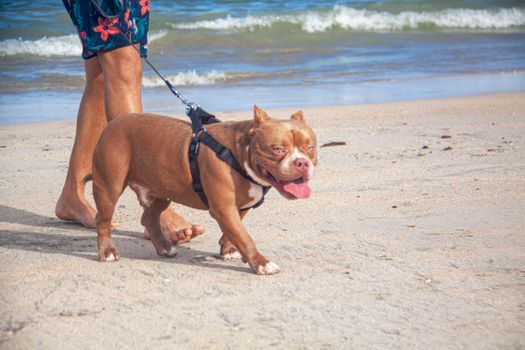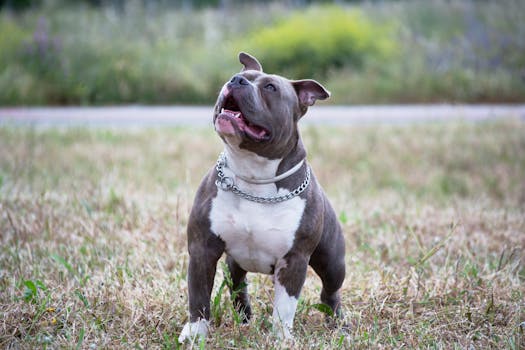
Preparing your Bully breed dog for their first show is an exciting journey that combines discipline, patience, and a keen understanding of what judges expect in the ring. Whether you own an American Bully, English Bulldog, or another Bully-type, participating in a show is about more than good looks—it’s about temperament, behavior, and your bond as a team. This article will guide you through every essential step, from understanding the dog show culture to advanced ring training, acclimating your Bully to the environment, and optimizing your preparation timeline. Along the way, you’ll find practical tips, real numbers, and a comparative table to help set realistic expectations for your first dog show experience.
The Unique Challenges and Rewards of Showing a Bully Breed
Entering your Bully in their first dog show isn’t quite like participating with any other breed. Bully breeds, known for their strong personalities, muscular builds, and sometimes misunderstood reputations, face both unique challenges and opportunities in the ring.
First, it’s important to understand the standards that dog shows use for Bully breeds. For example, the American Bully Kennel Club (ABKC) and United Kennel Club (UKC) have their own breed standards, focusing on structure, gait, and temperament. Judges look for confident, stable, well-socialized dogs that fit the physical standard—but they also reward dogs that display teamwork with their handler and composure under pressure.
.png)
In 2023, the ABKC reported an increase of 18% in Bully breed entries at dog shows worldwide, showing their growing popularity. With this surge, competition is tougher and expectations higher. Bully breeds are also under the spotlight for good behavior, making obedience and ring training even more crucial.
The rewards go beyond ribbons. Successfully showing your Bully can help reshape public perception, open doors to breeding opportunities, and deepen your relationship with your dog.
Understanding Dog Show Structure: What to Expect on the Big Day
Dog shows are highly structured events, and knowing the flow of the day will help both you and your Bully feel more comfortable. Here’s what typically happens at a sanctioned dog show:
- $1: You’ll register and receive your number. Arrive early—some shows start as early as 8:00 AM. - $1: You’ll have time to groom and calm your dog. This is a key window for last-minute practice. - $1: Dogs are called by breed and class (age, sex, experience level) into the ring. - $1: The judge will assess your dog’s movement, structure, and temperament. They will likely touch your dog and ask you to show their bite. - $1: Winners from each breed class compete for Best of Breed, then progress to group and Best in Show rounds. - $1: After judging, you may receive ribbons, trophies, or written feedback.It’s common for first-time handlers to feel nervous. Remember, judges know when it’s a dog’s first show and often make allowances for minor mistakes, focusing more on overall temperament and presentation.
Building a Timeline: How Long Does Show Training Take?
Training a Bully for their first show is not an overnight process. Most handlers recommend starting at least 12-16 weeks before the first event, though earlier is always better. Here’s a sample timeline to guide your preparation:
| Weeks Before Show | Training Focus | Key Milestones |
|---|---|---|
| 16-12 weeks | Basic Obedience & Socialization | Master sit, stay, heel; exposure to crowds and noises |
| 12-8 weeks | Stacking & Gaiting Basics | Hold stacked position for 30+ seconds, walk at show pace |
| 8-4 weeks | Mock Ring Practice | Simulate judge exams, practice with strangers |
| 4-1 weeks | Polishing & Show Prep | Fine-tune presentation, practice with distractions |
| Show Week | Rest, Grooming, Light Review | Dog is relaxed, well-groomed, and confident |
According to a 2022 survey by the American Kennel Club, 78% of handlers believe that consistent short sessions (10-15 minutes daily) lead to better results than infrequent longer sessions.
Essential Skills for the Show Ring: Beyond Basic Obedience
While basic obedience is critical, dog shows require a specialized set of skills. Here are the key competencies your Bully needs, and how to teach them:
1. $1: This is the pose your dog must hold so the judge can assess structure. For Bullies, a solid, square, confident stack is ideal. - Practice on a non-slip surface. - Use treats to lure your dog into position. - Gradually increase the time they hold the pose, aiming for at least 30 seconds without fidgeting. 2. $1: Judges want to see your dog’s movement at a trot. - Use a loose show lead. - Practice at a steady, brisk pace—too fast or slow can obscure your dog’s natural movement. - Record your practice to analyze and improve. 3. $1: Some shows require small or medium Bullies to be examined on a table or ramp. - Acclimate your dog to standing on different surfaces. - Practice letting strangers touch and examine your dog. 4. $1: Judges will check your dog’s teeth. - Train a solid “chin rest” on your hand. - Gently lift lips and reward calm behavior. 5. $1: The show environment is full of noises, smells, and other dogs. - Practice skills in parks, pet stores, and around groups of people. - Reward your dog for checking in with you and maintaining focus.In a recent training study, handlers who practiced ring-specific skills three times per week saw a 40% improvement in their dog’s performance scores compared to those who only focused on obedience.
Handling Nerves: Acclimating Your Bully to the Show Environment
A major factor in show success is your dog’s comfort in the ring. For many Bullies, the excitement and unfamiliarity of a show can trigger stress or overexcitement. Here’s how to help your Bully acclimate:
- $1: Attend dog shows as a spectator and walk your dog around the venue. Let them observe the sights and sounds from a safe distance. - $1: Arrange for friends or local trainers to mimic a judge’s examination. - $1: Set up practice rings at home or in the yard, complete with distractions like loudspeakers or other dogs.Research from the University of Pennsylvania found that dogs exposed to show-like environments at least four times before their first event had a 62% lower chance of displaying stress behaviors in the ring.
Handler Preparation: Presenting Your Bully at Their Best
While your dog’s training is crucial, your own ringcraft skills play a vital role. Here’s how to prepare as a handler:
- $1: Each kennel club has specific ring procedures and handling etiquette. Study the rulebook for your show. - $1: Practice smooth, one-handed lead control and transitions between stacking and gaiting. - $1: Wear comfortable, professional attire that allows you to move freely and doesn’t distract from your dog. - $1: Dogs pick up on your emotions. Practice relaxation techniques and breathing exercises. - $1: Pack grooming tools, water, treats, paperwork, and a crate for your dog to rest in.Pro tip: Many successful handlers recommend videotaping your practice sessions to review your posture, timing, and teamwork with your Bully.
What to Do After the Show: Reflecting and Planning Ahead
Win or lose, every dog show is a valuable learning experience. Immediately after the show:
- $1: Celebrate with play, treats, or a favorite activity—make the event positive regardless of outcome. - $1: Jot down what went well and what could improve. - $1: Many judges or experienced handlers are happy to offer tips if you approach them politely after judging. - $1: Whether it’s improving your stack, refining gaiting, or working on ring nerves, set a training plan for your next event.Statistics show that first-time handlers who regularly reflect and adjust their training approach are 55% more likely to place in subsequent shows.
Final Thoughts: Setting Realistic Expectations for Your Bully’s First Dog Show
Preparing your Bully for their debut in the show ring is as much about the journey as the result. Focus on building your dog’s confidence, enjoying the process, and learning from every experience. Remember, even top-winning handlers started as nervous newcomers. With patience, practice, and a clear training plan, you and your Bully can make your first show a positive, memorable adventure—one that opens up a world of camaraderie, learning, and pride for both of you.