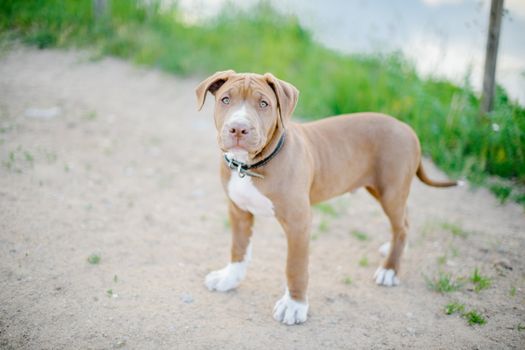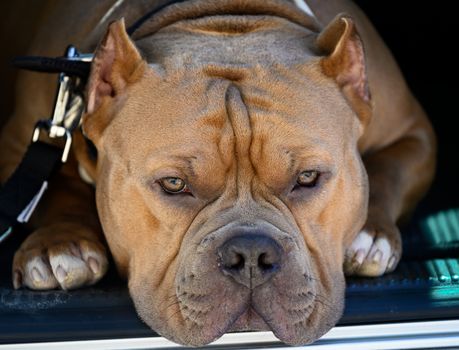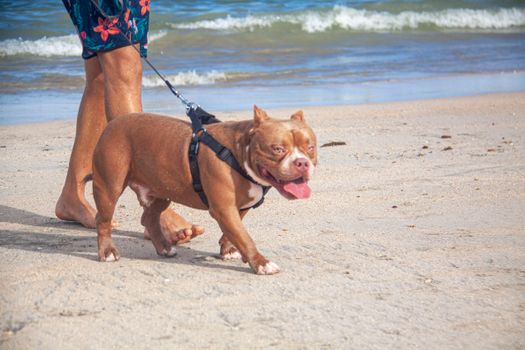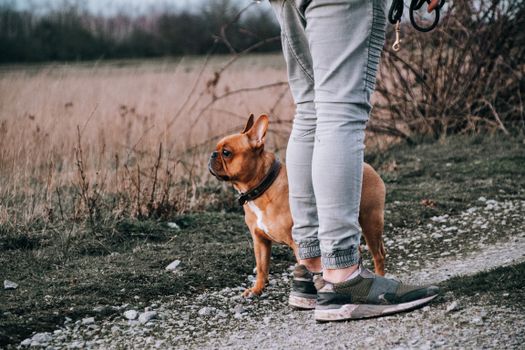
Bully breeds, known for their robust appearance and loyal personalities, can be some of the most rewarding companions when raised with the right approach. If you’re bringing home a bully puppy—whether an American Bully, Bulldog, or Bull Terrier—early training is essential to unlock their full potential and to nurture a well-mannered, happy adult dog. Training bully puppies comes with its own set of unique challenges and opportunities. In this article, we’ll explore actionable training tips tailored specifically for bully puppies, focusing on building confidence, social skills, impulse control, and more. You’ll also find a comparative overview of training milestones and a comprehensive FAQ to guide you through the process.
Understanding Your Bully Puppy’s Temperament
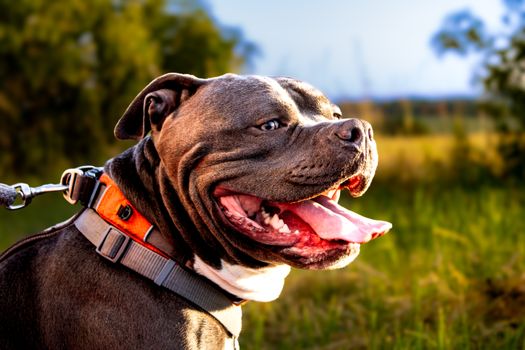
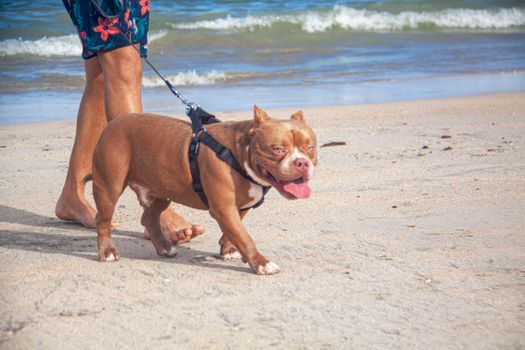
Bully puppies are often misunderstood due to their muscular frames and powerful jaws. In reality, most bully breeds are affectionate, intelligent, and eager to please. However, their strength and energy can quickly become overwhelming without proper guidance.
Research from the American Kennel Club indicates that bully breeds, when socialized and trained early, rank high in loyalty and adaptability. For example, American Bullies are known for their gentle “nanny dog” instincts with children. However, they can be stubborn—a trait that requires patience and consistency from owners.
.png) Key temperament traits:
- Confidence: Bullies tend to be self-assured, which can be harnessed positively through training.
- Sensitivity: Despite their tough looks, many bully puppies are sensitive to tone and body language.
- Intelligence: They learn quickly but may test boundaries if training is inconsistent.
- Energy: Daily mental and physical stimulation is a must.
Key temperament traits:
- Confidence: Bullies tend to be self-assured, which can be harnessed positively through training.
- Sensitivity: Despite their tough looks, many bully puppies are sensitive to tone and body language.
- Intelligence: They learn quickly but may test boundaries if training is inconsistent.
- Energy: Daily mental and physical stimulation is a must.
Understanding these characteristics is the foundation for effective training. Your approach should channel their positive traits while addressing potential behavioral pitfalls early.
Building Social Skills: Early and Ongoing Socialization
One of the most important training tips for bully puppies is robust socialization. The period between 8 and 16 weeks of age is critical for shaping your puppy’s view of the world. During this time, positive exposure to people, pets, places, sounds, and objects helps prevent fear-based aggression or anxiety later in life.
Best practices for socializing bully puppies: - Puppy Classes: Enroll in a reputable puppy kindergarten where your bully can interact safely with other dogs and people. - Controlled Introductions: Arrange playdates with dogs of various sizes and friendly temperaments. Supervise all interactions, especially during the first few months. - New Experiences: Take your puppy on short car rides, walks in busy parks, and visits to pet-friendly stores. Reward calm, curious behavior with treats and praise. - Diverse Encounters: Expose your puppy to people of varying ages, appearances, and clothing styles. This reduces the risk of fear or territorial behavior as adults.According to a 2021 study by the ASPCA, puppies who receive structured socialization before 16 weeks are 60% less likely to develop behavioral problems than those who do not.
Establishing Routines and Boundaries
Consistency is the backbone of effective bully puppy training. Establishing clear routines and boundaries not only reduces anxiety but also accelerates learning.
Essential routines to implement: - Feeding Schedule: Feed your puppy at the same times daily. This helps with house training and sets expectations. - Potty Breaks: Take your puppy outside frequently—after meals, naps, and play sessions. Praise and reward them for eliminating in the appropriate spot. - Crate Training: A crate provides a safe, den-like environment. Start with short, positive crate sessions and gradually increase duration. Never use the crate as punishment. Boundaries to enforce early: - No Jumping: Ignore or gently redirect jumping behavior. Teach “sit” as a polite alternative. - Chew Toy Rules: Provide a variety of chew toys to prevent destructive chewing. Rotate toys to maintain interest. - Calm Greetings: Practice calm greetings with all visitors. Use treats and gentle praise to reinforce quiet, polite introductions.Research shows that puppies who follow consistent routines are 40% less likely to develop separation anxiety and house-training issues.
Positive Reinforcement Techniques for Bully Puppies
Bully breeds respond best to positive reinforcement—a method proven to yield lasting results without fear or force. This approach rewards desirable behaviors with treats, toys, or praise, making learning enjoyable for both dog and owner.
Top positive reinforcement techniques: - Clicker Training: Use a clicker to capture the exact moment your puppy performs a desired behavior, followed by a treat. This method improves focus and speeds up learning. - High-Value Rewards: Bully puppies are food-motivated. Use small, tasty treats, especially for new or challenging commands. - Short Training Sessions: Puppies have short attention spans. Train in 5-10 minute bursts, several times a day. - Ignore Unwanted Behaviors: Avoid scolding or physical corrections. Instead, redirect your puppy to appropriate behaviors and reward those.A 2022 survey by the Association of Professional Dog Trainers found that over 75% of bully breed owners achieved faster obedience results using positive reinforcement compared to aversive methods.
Impulse Control and Basic Commands
Given their strength and exuberance, teaching bully puppies impulse control is essential for safety and harmony in the home.
Foundational impulse control exercises include: - “Sit” and “Stay”: Start in a distraction-free area. Reward your puppy for holding the position, gradually increasing duration and difficulty. - “Leave It” and “Drop It”: Use treats to practice relinquishing toys or ignoring off-limits items. This prevents possessiveness and resource guarding. - Wait at Doors: Teach your puppy to sit and wait for permission before exiting or entering doors. This helps prevent dashing and fosters patience. Essential commands for bully puppies: - Come (Recall): Practice indoors and in secure outdoor spaces. Always reward enthusiastically when your puppy returns to you. - Down: Useful for calming an excited puppy and for safe interactions with children. - Off: Teaches your puppy to stay off furniture or to stop jumping up.Below is a comparison table of training milestones for bully puppies versus other popular breeds:
| Milestone | Bully Puppies | Labrador Retrievers | German Shepherds |
|---|---|---|---|
| House Training | Average 3-4 months | Average 2-3 months | Average 2-3 months |
| Basic Commands Mastery | 4-6 months | 3-5 months | 3-4 months |
| Socialization Sweet Spot | 8-16 weeks | 8-14 weeks | 8-14 weeks |
| Impulse Control | Ongoing, may take longer due to stubbornness | Moderate, usually by 5-6 months | Faster, by 4-5 months |
As seen above, bully puppies may take a little longer with certain milestones, but with the right approach, they become trustworthy and obedient adult dogs.
Mental Stimulation and Enrichment for Bully Breeds
Bully puppies don’t just need physical exercise—they also crave mental challenges. Without sufficient enrichment, they may become bored, leading to destructive behaviors such as chewing, digging, or barking.
Recommended enrichment activities: - Puzzle Toys: Food-dispensing toys or treat puzzles keep inquisitive minds busy. - Training Games: Hide-and-seek, “find it,” and scent trails tap into natural instincts and build confidence. - New Challenges: Change up your walking routes or introduce new objects (like agility tunnels) to keep things interesting. - Trick Training: Teach fun tricks such as “shake,” “spin,” or “roll over” to mentally stimulate your bully puppy and strengthen your bond.According to PetMD, dogs engaged in daily enrichment activities are 30% less likely to develop behavioral problems as adults.
Final Thoughts on Training Success with Bully Puppies
Training your bully puppy is both a responsibility and a rewarding journey. With patience, consistency, and the right techniques tailored to their unique temperament, bully breeds can grow into outstanding family companions and ambassadors for their kind. Remember, early socialization, positive reinforcement, clear boundaries, and plenty of mental enrichment are the keys to success. By investing the time and effort during puppyhood, you’ll enjoy the lifelong benefits of a well-adjusted, confident, and loving bully breed dog.